Personalized course advice based on your goals and background.


AI-Powered Transformation in SAP SuccessFactors
Introduction :-
Imagine an HR system which not only simplifies everyday processes but actively foresee the business needs, reduce the manual tasks and also helps in informed decision-making. This isn’t some future dream – it is already happening. Most of the companies today are using the AI tools, including the SAP SuccessFactors to make the HR process faster, smarter and more efficient and avoid the manual efforts.
In 2025, as the businesses thrust for speed and accuracy, AI has formally become a part of the HR process works. It’s changing the way companies hire, train and support their people. SAP SuccessFactors leads this evolution, and its conversational AI agent – Joule, sites at the heart of this transformation.
Why does this matter? Because modern HR teams must do more – delivering strategic value beyond the admin work, and SAP AI’s innovations are unlocking that potential.
Joule – AI assistant for HR :-
What is Joule and How it helps in HR
Joule is the AI Copilot having conversational interface, that is integrated with the SuccessFactors system. It is designed in a way to make every day HR tasks easier by letting the user interact with the system in simple, natural language – just like chatting with a helpful colleague.
Here’s how Joule supports the HR teams, managers and the employees:
- Information retrieval: It helps answering the questions by quickly finding and summarizing the details from the existing documents, so you don’t have to navigate much yourself.
- Navigation assistance: Joule can help the users in navigating to the correct pages or functionality they are looking for within the SuccessFactors system.
- Direct Transactions: It allows to directly complete the task such as approving leaves or job requisitions etc., saving users time from manually navigating within the system.
Best Practices for Using Joule:
- Train the users to write and specific prompts and use the suggested prompts
- Use Joule for drafting and summarization, not for the final decisions
- Integrate Joule with workflows for smooth execution
- Provide feedback to improve its performance
Joule isn’t just above saving time; it helps the HR teams work smartly by connecting information across all the modules in SuccessFactors.
AI’s Role in Employee Central :-
EC is where all the employee records are stored – Job details, reporting lines and personal info. With AI, HR can directly check for missing data, spot the patterns like the frequent job changes and automate the time consuming tasks like manual data entry and processing payroll exceptions.
Practical Use Case:
An HR team manages the leave requests for hundreds of employees across multiple departments. Time off business rules are configured in the Employee Central, but manual validations such as overlapping leaves, eligibility, policy exceptions have often delay approvals.
An AI service is integrated with Employee Central to validate leave requests before they reach approvers. AI checks for overlapping leaves within the team, check leave balances and accruals and policy violations.
Benefits:
- Faster Approvals: Let the system handle routine checks
- Policy Compliance: Ensure leave policies are applied same way for everyone
- Data Insights: AI can suggest policy tweaks based on usage trends.
- Help HR plan better with future predictions
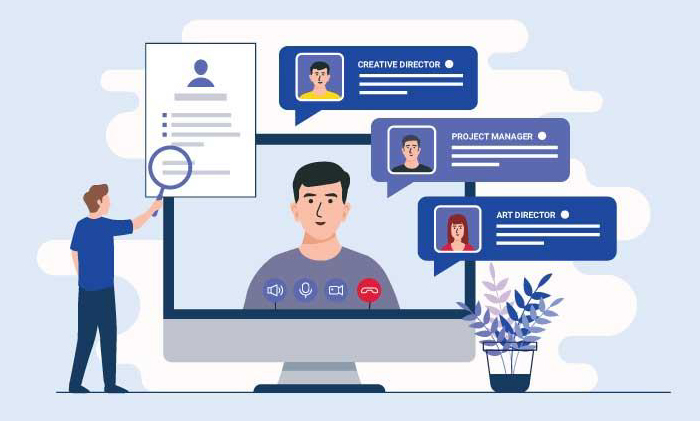
Recruiters often deal with hundreds of resumes and spare time writing job descriptions. AI helps recruiters by scanning the resumes, matching relevant skills to the job roles and even generate the job descriptions to so more candidates can apply. So, recruiters can focus on interviews and candidate experience, while AI handles the initial screening and writing support.
Practical Use Case:
Job requisitions are posted on internal and external career sites. AI gives suggests to add the job descriptions and clearer skill requirements. When resume comes in, the system ranks them based on skill matches and experience, helping the recruiter shortlist the candidates faster.
Best Practices/Benefits
- AI-written Job descriptions
- Resume screening based on skill match
- Faster shortlisting with ranked profiles
AI-Driven Employee Performance and Development :-
Employee’s Performance reviews can be stressful and sometimes be unfair. AI helps by analyzing feedback of employees and their goal progress, and achievements. It shows patterns like who’s consistently meeting goals and suggest development actions Managers get summaries that help them give better feedback and coaching.
Practical Use Case:
A manager reviews their team’s performance. AI highlights that one employee consistently meets goals but lower ratings. It suggests reviewing feedback for bias and recommends a training course to support their growth.
Best Practices/Benefits:
- Spot rating inconsistencies and bias
- Suggest training based on goal progress and performance
- Help managers give better feedback
- Support clear and data-driven reviews
AI’s Role in LMS :-
Learning systems often have hundreds of courses. AI helps by recommending the right ones based on job role, performance gaps, and career goals. It also reminds employees to complete training and tracks progress on time. HR can see which skills are missing across teams and plan accordingly.
Practical Scenario:
An employee in finance wants to move into analytics. AI recommends courses on data visualization and Excel. It also reminds them to complete the mandatory compliance training. HR sees that many employees lack data skills and plans a company-wide learning push.
Benefits:
- Personalized course suggestions
- Smart reminders to complete the relevant training
- Skill-gap tracking across the departments
- Building better career growth support
Conclusion :-
The introduction of AI into SAP SuccessFactors is revolutionizing that how organizations will manage their workforce – bringing automation, insights, and a more strategic approach to talent and performance. From recruitment and performance evaluations to career growth and operational oversight, AI is present into every HR process, allowing teams to stay ahead of tomorrow’s challenges. In a world that demands agility and transparency, using AI in SuccessFactors is no longer optional – it is the way forward for smart enterprise success.