Personalized course advice based on your goals and background.


How Integration Improves Data Accuracy in ERP Systems
Introduction :-
In today’s digital-driven business environment, data accuracy plays a important role in success of every organization. When information is stored in different systems, it can make mistakes, repeated entries, and confusion in the data. To fix these problems, companies use Enterprise Resource Planning system, which bring all their data together at one place. But ERP will work by best way when it is connected with other applications, so every department sees the same accurate and up-to-date information. In this blog, we will see that how integration of ERP with other systems helps us to improve data accuracy and why it is important for running a smooth and efficient business in today’s real world.
1. Minimizing Manual Data Entry Errors :-
In non-integrated systems, employee’s sometime data is re-entered the same data on different platforms like finance, procurement, or customer management system. This manual process not only consumes more time along with that also increases the chances of mistakes in the data. With the help of Integration data will flow automatically between connected systems, removing the need for repetitive manual input data
For example:
when a sales order is created in online store, the same order details automatically appear in the ERP system for billing, inventory management, and delivery. This automation ensures consistency, reduces human effort, and enhances data accuracy across all departments.
Key Benefits:
- Errors are Reduced which is created by human
- Faster data processing
- Consistent information across departments
2. Real-Time Information Sharing :-
One of the best things about integration is that everything will updates in real time. So, if any data changes in one system, it will instantly show in every system which is connected. By this way, every team member always work with the latest and most updated information when making decisions.
For example:
When products are shipped and stock levels drop, then ERP automatically updates the finance and procurement modules. This is going help prevent stock running out and keep the reports accurate without anyone having to check everything manually.
Key Benefits:
- Making decisions on time
- Lesser communication gaps
- Increase visibility across the organization
3. Removing Data Duplication :-
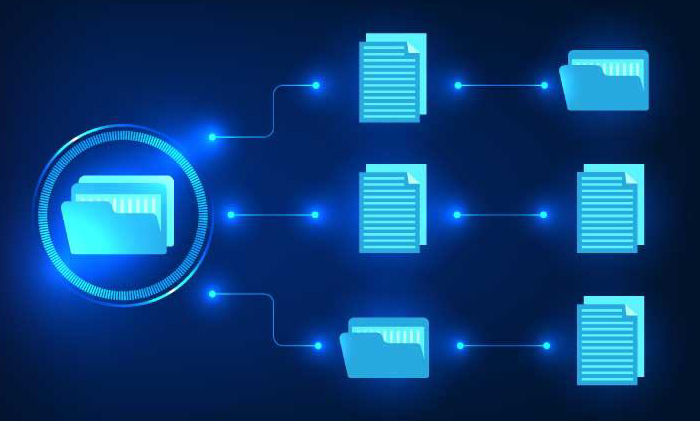
When systems aren’t connected, the same information often ends up in multiple places. This can get confusing, take up extra space, and even lead to mistakes in reports. Integration fixes all of this by keeping everything in one central place — a ‘single source of truth.’ That means when you update something once, it automatically updates everywhere else
For example:
If a customer changes their contact details in the CRM, those updates immediately show up in the ERP’s finance and logistics modules. Everyone then works with the same accurate information, which makes life easier and reduces errors.
Key Benefits:
- Elimination of duplicate entries
- Clear and reliable reporting
- Reduced data maintenance effort
4. Enforcing Data Consistency and Validation :-
Every business keeps track of data, but when systems don’t talk to each other, things can get confusing. Different departments might do things slightly differently, which can lead to mistakes. Integration makes sure everyone is on the same page, so the data is similar to everywhere.
For example:
Across all over the integrated SAP system, product codes, currency formats, and supplier IDs will be same across finance, procurement, and sales. This will keep data accurate, makes reporting much easier, and then team will focus on making decisions quickly without working on error fixing.
Key Benefits:
- Standardized data across systems
- Simplified audits and reporting
- Better compliance with internal policies
5. Enhancing Transparency and Traceability :-
Integration provides complete visibility into how data moves between different systems. It allows businesses to trace transactions back to their source, by which identification of errors takes place easier and quickly. This transparency increases accountability and strengthens internal controls.
For example:
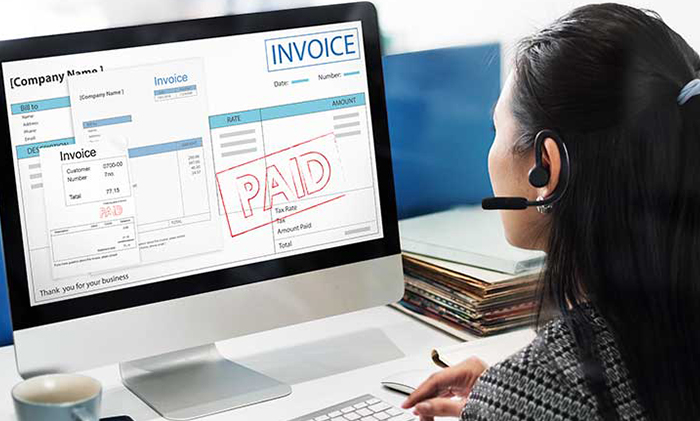
If an invoice shows a mismatch, integration makes it possible to track whether the issue originated in sales, procurement, or inventory. This not only speeds up error correction but also improves confidence in the data being used.
Key Benefits:
- Improved data traceability
- Better governance and accountability
- Higher trust in system data
6. Enabling Better Decision-Making:-
Having accurate data in real-time helps in running a business much easier as compare to work done by human. With the help of integrated ERP system, information from all departments comes together at one place, giving a clear picture of what is going on in the entire system.
For example:
A managers are able to see sales trends, cash flow and inventory levels. And check this data is real and verified not stuck in old spreadsheets or manual reports due to which takes decisions quickly and confidently
Key Benefits:
- Reliable insights for planning
- Improved forecasting
- Data-driven business strategies
7. Case Example: SAP ERP Integration :-
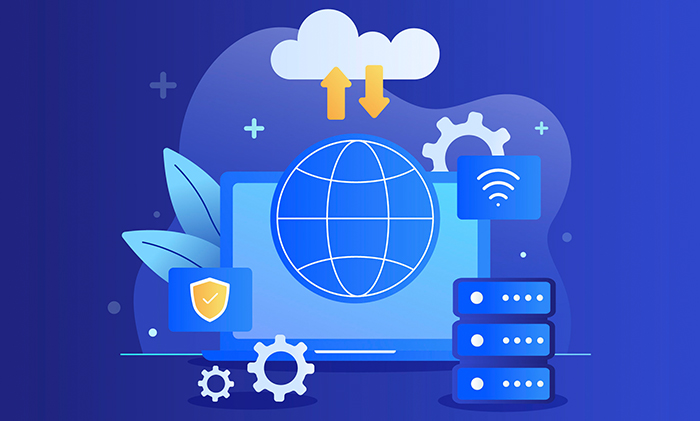
SAP ERP systems are really good in connecting different parts of a business. When we will SAP S/4HANA links with tools like Salesforce (CRM), SuccessFactors (HR) or Ariba (Procurement) with the help of SAP Cloud Platform Integration (CPI), data will flows smoothly across the company.
For example
Whenever a new employee joins and their details is filled in SuccessFactors, that information automatically visible in SAP S/4HANA’s finance module for payroll. Everything stays accurate and consistent, without entering it manually
Key Benefits:
- Real-time data sharing between systems
- Improved accuracy in financial operations
- Simplified cross-department coordination
Conclusion :-
Getting right data is really important if you want to run your business smooth, stay on top of things, and make decisions by smarter way. When your ERP systems are connected with the help of CPI, all your tools start giving same data. That means less manual work takes place, due to which less mistakes occurs, and it will be the one place that everyone can trust for correct information
With the help of integration in ERP system, companies can move faster, keep their customers happier, and make better decisions for the future — without stressing about unstructured and incorrect data.